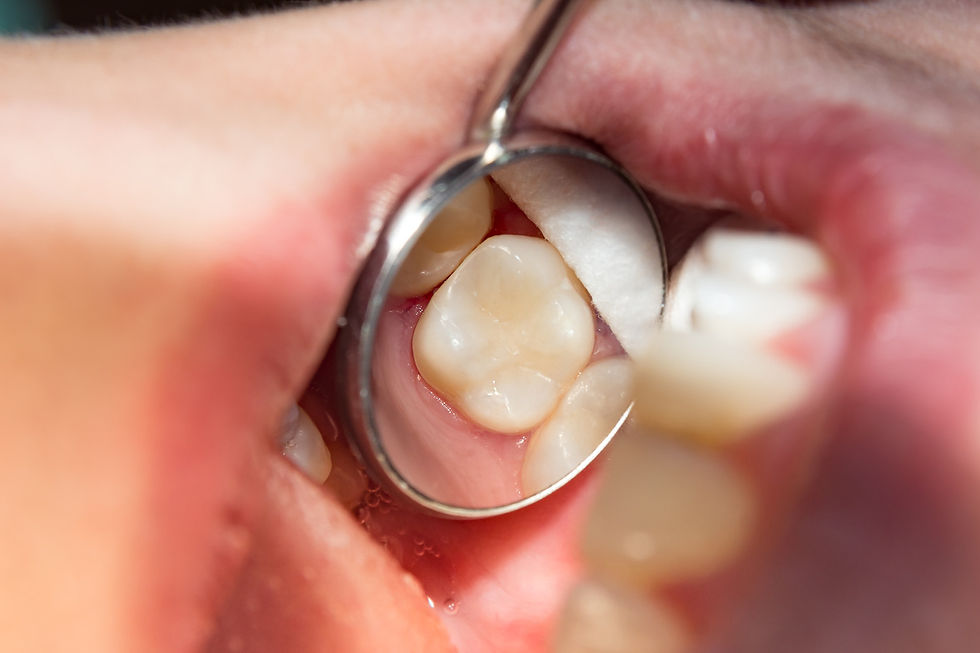
Root Canals: What They Treat and What to Expect in Scottsdale, AZ


A root canal treats an infected or badly damaged tooth by removing the diseased pulp inside it, then cleaning, disinfecting, and sealing the space so the tooth can stay right where it belongs. At American Family Dentistry in Scottsdale, AZ, Dr. Jake Kent and our team walk patients through this procedure regularly, and most people leave surprised by how straightforward the whole visit turned out to be. We've built our practice around changing how people feel about the dentist, and that starts with giving you real answers instead of vague reassurances.
This Article Will Address
What symptoms mean you might need a root canal
Whether the procedure actually hurts
How much time to set aside for treatment
Whether a root canal can really save an infected tooth
When Do You Need a Root Canal?
You need a root canal when the pulp inside your tooth, the soft tissue that holds nerves, blood vessels, and connective tissue, becomes infected or inflamed beyond repair. That damage usually traces back to deep decay that's reached the inner tooth, a crack or chip from an injury, or an old filling or crown that has broken down and let bacteria back in underneath it.
Common signs include:
Lingering sensitivity to hot or cold that doesn't fade quickly after the food or drink is gone
Sharp pain when you bite down or chew on that side of your mouth
Swelling or tenderness in the gums near a specific tooth
A tooth that has started to darken or discolor compared to those around it
A small, recurring bump on the gum line, sometimes called a gum boil
Some patients feel nothing at all, and the infection only shows up on an X-ray during a routine exam. That's actually one of the best arguments for keeping up with regular checkups and cleanings even when your mouth feels fine. Left untreated, an infected tooth doesn't heal on its own. The infection can spread to the bone around the root, and what started as a manageable problem turns into a more painful and more expensive one.
A cracked filling, a chip from biting down on something hard, or years of decay that went unnoticed can all lead to the same result, so prevention really does start with the basics: brushing twice a day, flossing, and not skipping your cleanings. When decay or damage does slip through, catching it early during a routine exam is often the difference between a simple filling and a full root canal down the road.
Are Root Canals Painful?
No, and this is the misconception we hear most often at our Scottsdale office. Modern root canal treatment is no more uncomfortable than getting a routine filling. The tooth and surrounding gum are fully numbed with local anesthetic before any work begins, so you shouldn't feel pain during the procedure itself, just some pressure and normal dental office sounds.
The pain people associate with root canals almost always comes from the infection itself, not the treatment that fixes it. That throbbing, keep-you-up-at-night ache is the tooth telling you something is wrong. Once the infected pulp is removed, most patients notice relief almost right away. Mild soreness in the area for a day or two afterward is normal and usually manages well with an over-the-counter pain reliever. Dr. Kent takes the time to walk you through exactly what to expect for your specific tooth before treatment starts, so nothing about the visit catches you off guard once you're in the chair. That kind of straight talk is part of what we mean when we say we practice research-supported, honest dental care rather than guesswork.
Dr. Kent trained at Loma Linda University with an emphasis on restorative and cosmetic dentistry, and he keeps up with continuing education through organizations like the American Dental Association and the Academy of General Dentistry. That background matters here because comfort during a root canal isn't just about a steady hand. It's about understanding the tooth's anatomy well enough to numb it fully and treat it efficiently the first time.
How Long Does a Root Canal Take?
A root canal typically takes one to two appointments, with each visit running somewhere between 60 and 90 minutes depending on which tooth is involved and how far the infection has spread. A front tooth with a single canal is usually quicker to treat than a back molar, which can have three or four smaller canals that all need to be cleaned out and sealed individually.
During the appointment, the dentist opens a small access point in the top of the tooth, removes the infected pulp, then cleans and shapes the empty canal so it can be filled with a biocompatible material that seals out future bacteria. Once that's done and the tooth has had a chance to settle, most patients come back for a second, shorter visit to have a dental crown placed over the treated tooth. The crown protects what's left of the natural tooth structure, restores your normal bite, and is a routine follow-up step rather than a sign that anything went wrong with the first appointment.
Can a Root Canal Save an Infected Tooth?
Yes, in the large majority of cases, a root canal saves a tooth that would otherwise need to be pulled. Removing the infected pulp and sealing the tooth stops the infection from spreading any further, and it lets you keep your natural tooth for years, often decades, with normal brushing, flossing, and checkups.
That matters more than it might seem at first. Losing a tooth to extraction can lead to shifting teeth, bone loss in the jaw over time, and a more involved, more expensive replacement process down the road, whether that's a bridge or a dental implant. Keeping your natural tooth also keeps your bite functioning the way it's supposed to, without the adjustment period that comes with a replacement. A root canal, paired with a supporting crown, is one of the more dependable tools in restorative dentistry for holding your bite and your smile together for the long haul, and it's a big part of why we take these procedures seriously rather than treating them as an afterthought.
We also understand that some patients come to us already anxious about the idea of a root canal, often based on stories from years ago before treatment and anesthesia improved as much as they have. We'd rather spend a few extra minutes explaining what's actually happening in your mouth than send you home with more questions than you came in with. Quality dentistry, to us, means the whole experience holds up, not just the clinical result.
Schedule Your Root Canal Consultation in Scottsdale Today
If you're dealing with tooth pain, sensitivity, or a tooth that just doesn't look right, don't wait it out and hope it settles down on its own. American Family Dentistry is open and welcoming new and returning patients in Scottsdale, AZ, and Dr. Jake Kent and our team would much rather catch an infection early than watch it turn into a bigger, more painful problem later. We built this practice on down-to-earth, honest care, and that includes giving it to you straight about what your tooth actually needs and why. Give our office a call to set up your consultation. We'll get you in, get you comfortable, and get your smile back on track, no cold or clinical experience required. Take a look at the full range of services we offer if you'd like to know more about how we care for your whole smile, not just one tooth at a time.