
When Is a Dental Filling Enough and When Is It Not in Scottsdale, AZ?

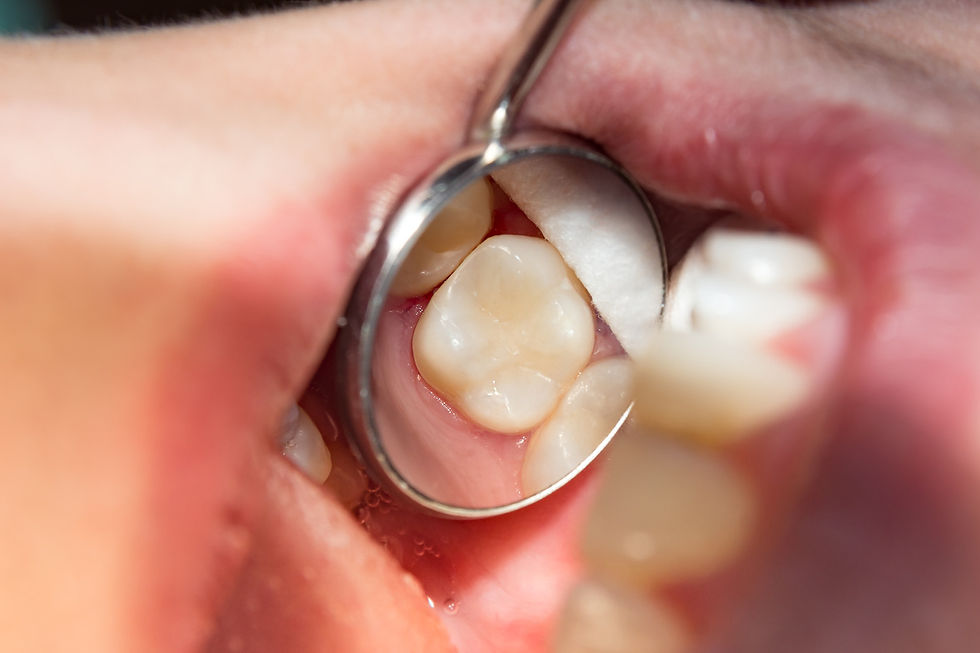
If you have a cavity, tooth sensitivity, or pain when chewing, you may be wondering whether a simple dental filling will fix the problem or if your tooth needs something more. In many cases, a filling is enough when decay or damage is limited and the tooth still has strong, healthy structure. A filling may not be enough when decay is deep, the tooth is cracked, the nerve is involved, or the tooth needs more support than filling material can provide.
At American Family Dentistry in Scottsdale, AZ, Dr. Jake Kent and our team help patients understand their options clearly. Our goal is to preserve natural teeth whenever possible while recommending treatment that fits the condition of the tooth, your comfort, and your long-term oral health.
This Article will address
When a dental filling is enough for a cavity
When a cavity needs a filling
How deep a cavity can get before it becomes serious
Whether fillings can stop tooth pain
Symptoms that may mean you need more than a filling
When a crown, inlay, onlay, or root canal may be needed
What can happen if you delay cavity treatment
When to call a Scottsdale dentist for tooth pain or decay
How Do You Know If a Filling Is Enough for a Cavity?
A dental filling is often enough when a cavity is small to moderate in size and the decay has not reached the inner nerve of the tooth. During a filling, the damaged portion of the tooth is removed, the area is cleaned, and the tooth is restored with filling material. This helps protect the tooth from further decay while restoring a smoother, more comfortable chewing surface.
A filling may be the right choice when the tooth still has enough healthy enamel and dentin to support the restoration. The tooth should also be strong enough to handle normal biting pressure after treatment. If the cavity is too large, the tooth is cracked, or too much structure has been lost, a filling may not provide enough strength.
This is why an exam and dental X-rays are important. A tooth may look manageable from the outside, but deeper decay or hidden cracks can change the treatment recommendation. Dr. Kent evaluates the tooth carefully so patients receive care that is conservative, practical, and built around long-term function.
When Does a Cavity Need a Filling?
A cavity usually needs a filling when decay has created permanent damage in the tooth. Early enamel weakening may sometimes be watched or treated with preventive care, but once the tooth structure has broken down, brushing and flossing cannot rebuild the damaged area.
A filling may be recommended when there is a visible cavity, a rough spot, a dark area of decay, sensitivity, or decay found during a dental exam. Dental X-rays can also reveal cavities between teeth or under older dental work before they become painful.
The purpose of a cavity filling is to remove decay, seal the tooth, and help prevent the damage from spreading. Treating a cavity while it is still small can often help patients avoid more involved restorative dental procedures later.
How Deep Can a Cavity Be Before It’s Serious?
A cavity becomes more serious when it moves beyond the enamel and into the deeper layers of the tooth. Enamel is the hard outer layer. Once decay reaches the dentin underneath, it can spread more quickly because dentin is softer and more sensitive.
If decay continues deeper and reaches the pulp, the tooth may become painful or infected. The pulp contains the nerves and blood vessels inside the tooth. When this area is affected, a filling alone may not be enough because the deeper tissue needs to be treated.
Early Enamel Decay May Not Always Need a Filling
In the earliest stage, decay may appear as enamel weakening or white spots. Depending on the condition of the tooth, preventive care may help slow or stop the process. This can include better brushing and flossing habits, fluoride recommendations, dietary changes, and regular dental monitoring.
Dentin Decay Often Requires a Filling
Once decay reaches the dentin, a filling is more likely to be needed. Patients may notice sensitivity to sweets, cold drinks, or chewing pressure. Since dentin is closer to the nerve, symptoms can become more noticeable as the cavity grows.
Pulp Involvement May Require a Root Canal
If decay reaches the pulp, the tooth may need root canal therapy instead of a filling. A root canal is used when the inside of the tooth is inflamed or infected. After the damaged tissue is removed and the tooth is sealed, a crown may be recommended to protect the tooth and restore strength.
What Symptoms May Mean You Need More Than a Filling?
Not every cavity causes pain right away. Some patients have small cavities and feel nothing at all. Others may experience symptoms that suggest the problem has moved beyond what a simple filling can fix.
You may need more than a filling if you notice:
Lingering sensitivity to hot or cold
Pain when biting or chewing
Tooth pain that starts without warning
Swelling around the gums or jaw
A visible hole or dark spot in the tooth
A cracked, chipped, or broken tooth
A lost, loose, or broken filling
Food getting stuck in the same area
Pain that wakes you up at night
Mild sensitivity may be caused by a smaller cavity, but severe or lingering pain can point to deeper decay, nerve irritation, infection, or a crack. If you are unsure what your symptoms mean, it is better to have the tooth checked before the problem becomes more complex.
Can Fillings Stop Tooth Pain?
Fillings can stop tooth pain when the discomfort is caused by a cavity that has not reached the nerve. By removing the decay and sealing the tooth, a filling can reduce sensitivity and protect the area from further irritation.
However, pain relief depends on the cause of the problem. If pain is caused by an infected nerve, a deep crack, advanced decay, or damage under an old filling, a new filling may not solve the issue. In those cases, a crown, root canal, or another restorative treatment may be needed.
Dr. Kent will look at the tooth, listen to your symptoms, and explain what treatment makes the most sense. At American Family Dentistry, we believe patients should understand what is happening and why a certain option is recommended.
When Is a Dental Crown Better Than a Filling?
A dental crown may be better than a filling when the tooth needs more coverage and support. While a filling repairs a smaller area, a crown covers the visible portion of the tooth to help protect it from further damage.
A crown may be recommended when:
The cavity is too large for a filling
A large portion of the tooth is missing
The tooth is cracked or weakened
An old filling is failing
The tooth has had root canal therapy
The tooth needs stronger protection for chewing
A filling placed in a tooth with too much damage may not last well because the remaining tooth structure may not be strong enough to hold it. In that situation, a crown can provide better stability and help preserve the tooth.
When Might an Inlay or Onlay Be Used Instead of a Filling?
An inlay or onlay may be used when a tooth needs more support than a standard filling but does not need a full crown. These restorations are often used to repair larger areas of damage while preserving as much natural tooth structure as possible.
An inlay typically fits within the chewing surface of the tooth. An onlay may cover one or more cusps, which are the raised points of the tooth used for chewing. These options can be helpful when the damage is too large for a basic filling but a full crown may not be necessary.
The right choice depends on the size, location, and depth of the cavity, as well as the strength of the remaining tooth.
When Might a Root Canal Be Needed Instead of a Filling?
A root canal may be needed when decay, trauma, or a crack reaches the pulp inside the tooth. Once the nerve area becomes inflamed or infected, placing a filling over the tooth will not treat the deeper problem.
Signs that a root canal may be needed include:
Severe tooth pain
Lingering sensitivity to hot or cold
Swelling near the gums
Pain when biting
A pimple-like bump on the gums
Deep decay close to the nerve
Darkening of the tooth after trauma
Root canal therapy is designed to remove infected or inflamed tissue from inside the tooth and help save the natural tooth. At American Family Dentistry, our team focuses on comfort, communication, and honesty throughout the process so patients know what to expect.
Can a Cracked or Broken Tooth Be Fixed With a Filling?
A small chip or minor area of damage may sometimes be repaired with filling material or bonding. However, a larger crack, broken cusp, or fractured tooth may need a crown or another restorative option.
The concern with cracks is that they can spread under chewing pressure. A filling may repair the visible area, but it may not protect the tooth if the crack has weakened the structure. If the crack reaches the nerve or root, root canal therapy or extraction may be needed.
If you have a cracked or broken tooth, it is important to schedule an exam. Dr. Kent can determine whether a filling is enough or if the tooth needs additional protection.
What Happens If You Delay a Filling?
Delaying a filling can allow decay to spread deeper into the tooth. A small cavity that may have been treated with a simple filling can become a larger problem that requires a crown, root canal, or extraction.
If a filling is delayed, you may experience:
More tooth sensitivity
A larger cavity
Pain when chewing
A weakened or cracked tooth
Infection inside the tooth
Swelling or an abscess
More involved treatment
Cavities do not heal on their own once tooth structure has been damaged. Early treatment is often simpler, more comfortable, and more conservative.
What Happens During a Dental Filling Appointment?
During a dental filling appointment, we first evaluate the tooth and may take X-rays to understand the extent of the decay. If a filling is recommended, the area is numbed when needed so you can stay comfortable during treatment.
The decayed portion of the tooth is removed, the area is cleaned, and tooth-colored filling material may be placed. The filling is then shaped, polished, and checked to make sure your bite feels comfortable.
Our Scottsdale dental office is designed to feel friendly, clear, and low-pressure. We want patients to feel informed, not overwhelmed. If you have questions during your visit, our team is happy to walk you through each step.
How Can You Avoid Needing a Larger Dental Restoration?
The best way to avoid larger dental treatment is to catch small issues early. Routine dental exams, cleanings, and X-rays help us identify cavities before they cause pain or serious damage.
You can lower your risk of needing a larger restoration by:
Brushing twice a day
Flossing daily
Keeping up with professional cleanings
Scheduling routine dental exams
Addressing tooth sensitivity early
Avoiding frequent sugary snacks and drinks
Calling promptly if a filling breaks or a tooth feels rough
Preventive care allows us to monitor changes and recommend treatment before a small cavity turns into a more complicated dental concern.
When Should You Call a Scottsdale Dentist for Tooth Pain or Decay?
You should call a Scottsdale dentist if you notice tooth pain, sensitivity, a visible hole, a broken filling, a cracked tooth, swelling, or discomfort when chewing. Even if the pain comes and goes, the tooth may still need attention.
Call American Family Dentistry if you notice:
New or worsening tooth pain
Sensitivity to hot, cold, or sweets
Pain when biting
A lost or broken filling
A chipped, cracked, or broken tooth
Swelling near the gums
A dark spot or visible hole in a tooth
An exam can help determine whether a filling is enough or whether another treatment is needed to protect your tooth.
Schedule a Dental Filling Evaluation in Scottsdale, AZ
The only way to know whether a filling is enough is to have the tooth examined. At American Family Dentistry in Scottsdale, AZ, Dr. Jake Kent and our team provide quality, down-to-earth dental care with a focus on comfort, communication, and honest recommendations.
Whether you are dealing with tooth pain, a cavity, an old filling, or a cracked tooth, we can help you understand your options and choose the treatment that supports your long-term oral health.
Call American Family Dentistry in Scottsdale, AZ today or book online to schedule an appointment and get clear answers about your tooth pain, cavity, or damaged filling.


